
Heat stroke: how to recognize it and act in time
High temperatures can put your health at risk.
Summer invites us to enjoy the outdoors, but it also increases the risk of heat stroke, a situation that requires immediate attention and can especially affect young children, the elderly, and those who engage in physical activity in the sun.
Knowing the symptoms and how to act can make a difference.
What is heat stroke?
Heat stroke occurs when the body loses its ability to regulate its temperature and it rises rapidly.
Unlike a simple feeling of heat or mild sunstroke, heat stroke is a medical emergency.
Who is most at risk?
Although anyone can suffer it, certain groups are especially vulnerable:
- Babies and young children
- Elderly people
- People with chronic diseases or those taking certain medications
- Outdoor workers
- Athletes
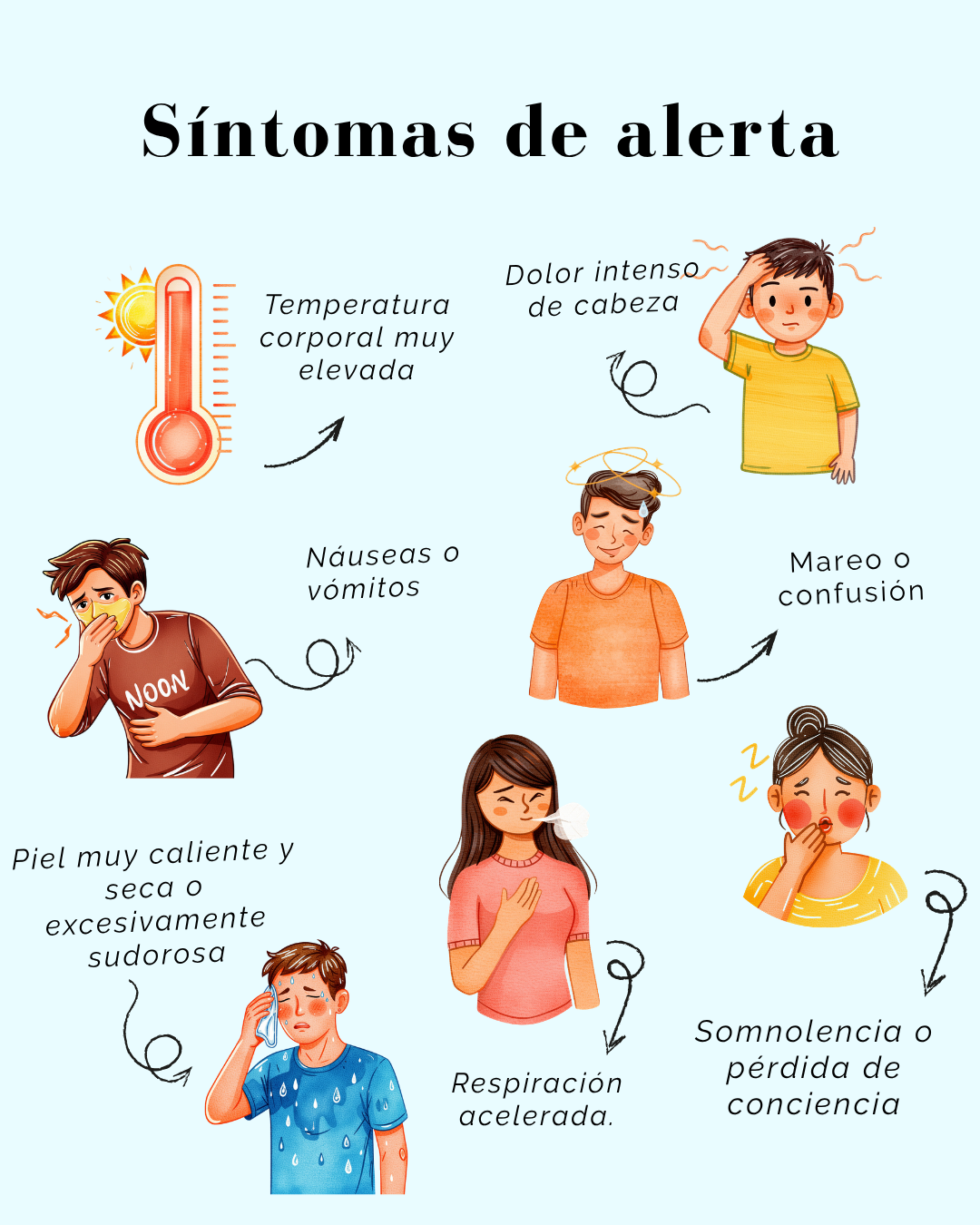
Warning symptoms
It is important to act quickly if symptoms appear such as:
- Very high body temperature
- Intense headache
- Dizziness or confusion
- Nausea or vomiting
- Very hot and dry skin or excessively sweaty skin
- Rapid breathing
- Drowsiness or loss of consciousness
What to do?
While seeking medical assistance:
- Move the person to a cool, shaded place
- Remove excess clothing
- Apply damp cloths or cool water to the skin
- Promote ventilation
- If conscious, offer water in small amounts that is not too cold
Never administer fever-reducing medication without medical advice.
How to prevent heat stroke
Some simple measures help reduce the risk:
- Drink water frequently, even if not thirsty
- Avoid sun exposure between 12 pm and 5 pm
- Wear light, breathable clothing
- Wear a hat and sunglasses
- Do not stay inside closed vehicles
Can we help you?
At the pharmacy we can advise you on products to protect yourself from the heat, promote hydration, and especially care for the most vulnerable members of the family.